


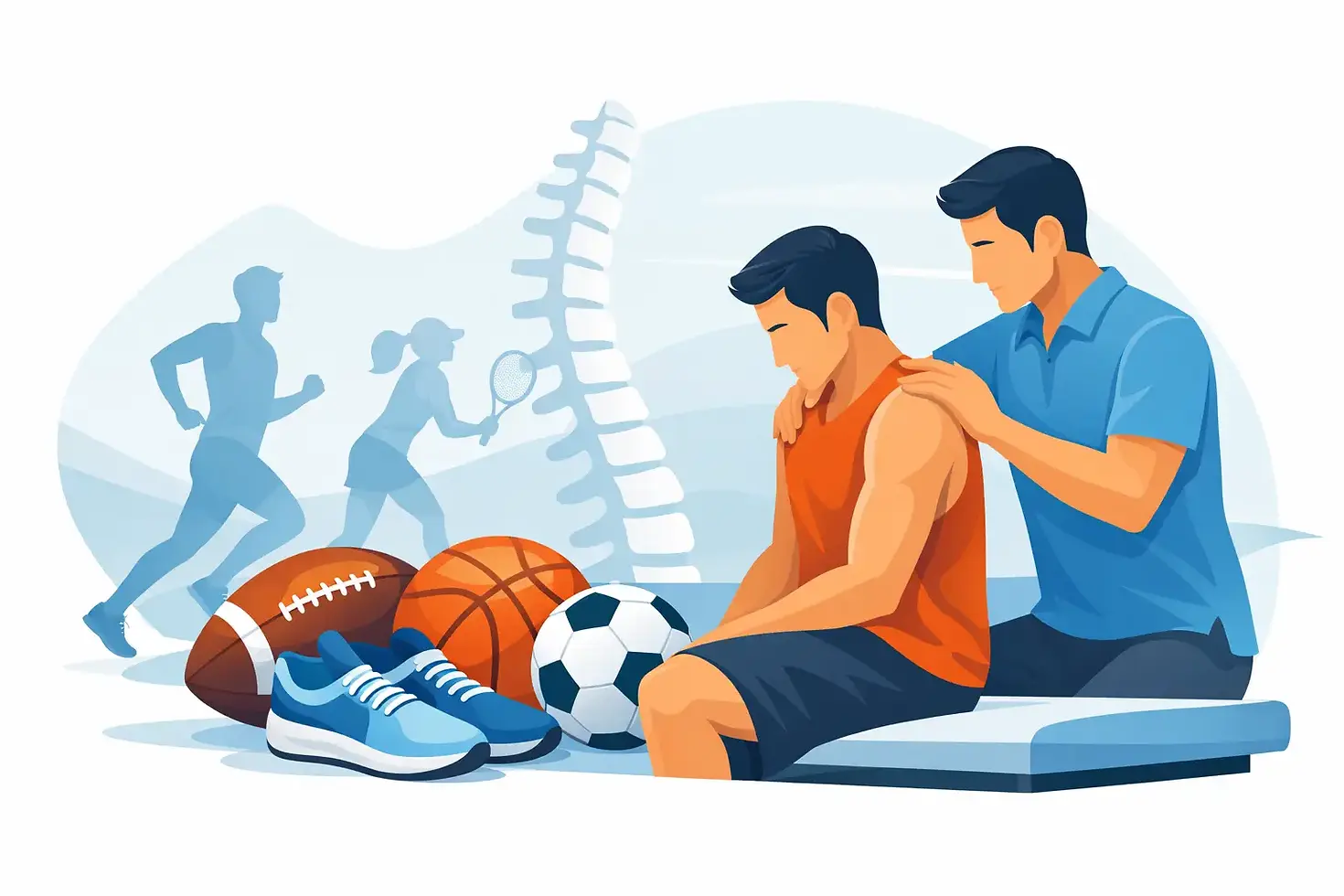
Chiropractic Care for Sports Injuries That Fits You

A sharp pain after a tennis serve, a stiff neck after a hard tackle, or a knee that never quite feels right after a weekend run can change more than one workout. It can make work, sleep, family time, and the activities you love feel uncertain. Chiropractic care for sports injuries offers a personalized, non-invasive way to address pain, movement restrictions, and spinal or joint stress so you can focus on healing with confidence.
At Reborn Chiropractic & Wellness Center, we believe everyone deserves to be healthy. That includes YOU, whether you are training for a race, playing in a local league, keeping up with your kids, or getting back to movement after an injury. Your care should not be based on a one-size-fits-all plan. It should reflect how your injury happened, what your body needs, and the goals that matter most to you.
Why Sports Injuries Can Affect More Than One Area
Sports injuries are not limited to professional athletes. A sudden change of direction in pickleball, an awkward landing in basketball, repetitive lifting at the gym, or even a long bike ride can place stress on muscles, joints, ligaments, and the spine.
Sometimes the painful area is not the only area involved. For example, low back discomfort may change the way you run, which can place extra strain on a hip, knee, or ankle. A shoulder injury may lead you to hold your neck differently, creating tension and headaches. The body often compensates to protect an injured area, but those compensation patterns can become painful if they continue.
Common sports-related concerns we see include neck and back pain, shoulder discomfort, hip pain, knee pain, ankle sprains, muscle strains, joint stiffness, and reduced range of motion. Repetitive movement can also contribute to overuse concerns, especially when training volume increases faster than the body can adapt.
The goal is not simply to quiet the pain long enough to get through the next game. Meaningful recovery looks at how your body is moving, where strain is building, and what can help you return to activity more safely.
How Chiropractic Care for Sports Injuries May Help
Chiropractic care focuses on the relationship between the spine, joints, muscles, and nervous system. After a sports injury, restricted joint motion, muscle guarding, inflammation, and altered posture can all affect how comfortably you move.
A chiropractor can evaluate your symptoms, health history, range of motion, posture, and the mechanics related to your injury. From there, care may include gentle chiropractic adjustments, soft-tissue techniques, therapeutic exercises, mobility work, and practical guidance for activity modification. The right approach depends on the individual. A runner with recurring hip tightness needs a different plan than a weightlifter recovering from a low back strain or a young athlete dealing with shoulder pain.
For many patients, chiropractic care may help reduce joint restrictions, ease muscle tension, improve mobility, and support better movement patterns during recovery. It can also provide a conservative option for people who want to explore non-invasive care before considering more aggressive treatment, when appropriate.
Chiropractic care is not a substitute for emergency or specialist care when an injury requires it. A suspected fracture, severe swelling, obvious deformity, inability to bear weight, loss of sensation, progressive weakness, or symptoms following a significant head impact should be evaluated promptly by the appropriate medical provider. Good care means recognizing when imaging, medical treatment, or referral is needed.
Your Treatment Plan Should Match Your Sport and Your Life
A soccer player, golfer, swimmer, and CrossFit participant may all say they have “back pain,” yet their injuries, movement demands, and recovery goals can be completely different. That is why a personalized plan matters.
At your visit, Dr. Peter Yi will take time to understand what you are experiencing and how it affects your daily life. You may discuss when the symptoms began, whether there was a specific incident, what movements aggravate the pain, previous injuries, and your current activity level. This helps identify whether your care should focus on relief, restoring mobility, improving stability, or a combination of all three.
Some patients need a short period of modified activity to allow irritated tissues to settle. Others may benefit from carefully progressing movement rather than avoiding it completely. Rest can be helpful after an acute injury, but too much rest may lead to stiffness and loss of strength. The right balance depends on the injury, its severity, and your body’s response.
Your plan may also change as you improve. Early care may focus on reducing discomfort and restoring comfortable motion. As symptoms settle, the emphasis may shift toward posture, strengthening, flexibility, and movement habits that support a more confident return to your sport.
Returning to Activity Without Rushing the Process
Feeling better is encouraging, but it does not always mean your body is ready for full intensity. Returning too quickly to sprinting, heavy lifting, jumping, or repetitive practice can aggravate an injury that is still healing.
A safer return is usually gradual. You might begin with lower-intensity movement, shorter training sessions, reduced weight, or fewer repetitions. Pay attention to how you feel during activity, later that day, and the next morning. Mild soreness can be part of rebuilding tolerance, but sharp pain, swelling, instability, numbness, or symptoms that worsen after each session are signs to slow down and seek guidance.
It also helps to look beyond the injured area. A recurring ankle problem may involve balance and hip stability. Shoulder pain may be influenced by thoracic spine mobility or the way you move during overhead activity. Addressing these connected factors can help reduce the chance of repeating the same pattern.
Prevention Is Part of Sports Injury Care
Not every sports injury can be prevented. Accidents happen, contact occurs, and even strong, well-prepared athletes can get hurt. Still, consistent spinal and musculoskeletal care can help you become more aware of small changes before they become bigger setbacks.
Preventive care may be especially useful if you notice recurring stiffness after workouts, one-sided tightness, reduced flexibility, frequent headaches, or discomfort that returns whenever you increase training. These are not always reasons to stop being active. They are reasons to pay attention and address what your body may be telling you.
Simple habits also support recovery and resilience: warm up before demanding activity, build training volume gradually, use sound technique, prioritize sleep, stay hydrated, and give your body recovery time. If you have had a prior injury, do not assume it is fully resolved just because you can push through it. Lingering movement limitations can quietly affect performance and comfort over time.
When to Consider a Chiropractic Evaluation
Consider an evaluation if pain, stiffness, or limited motion is keeping you from doing what you normally enjoy. It may also be time to seek care if symptoms keep returning, you are compensating during movement, or an old injury has started bothering you again.
You do not need to be a competitive athlete to deserve thoughtful sports injury care. Walking trails in North Orange County, joining a recreational team, lifting at the gym, gardening, and playing with grandchildren all place real demands on the body. Healthy movement supports a fuller life, and your care should help you pursue that life.
Recovery is not about forcing your body to perform through pain. It is about listening well, treating the source of dysfunction when possible, and taking the next right step toward strength and freedom of movement. When you are ready for personalized support, a thoughtful chiropractic plan can help you move forward feeling more like yourself again.


Comments